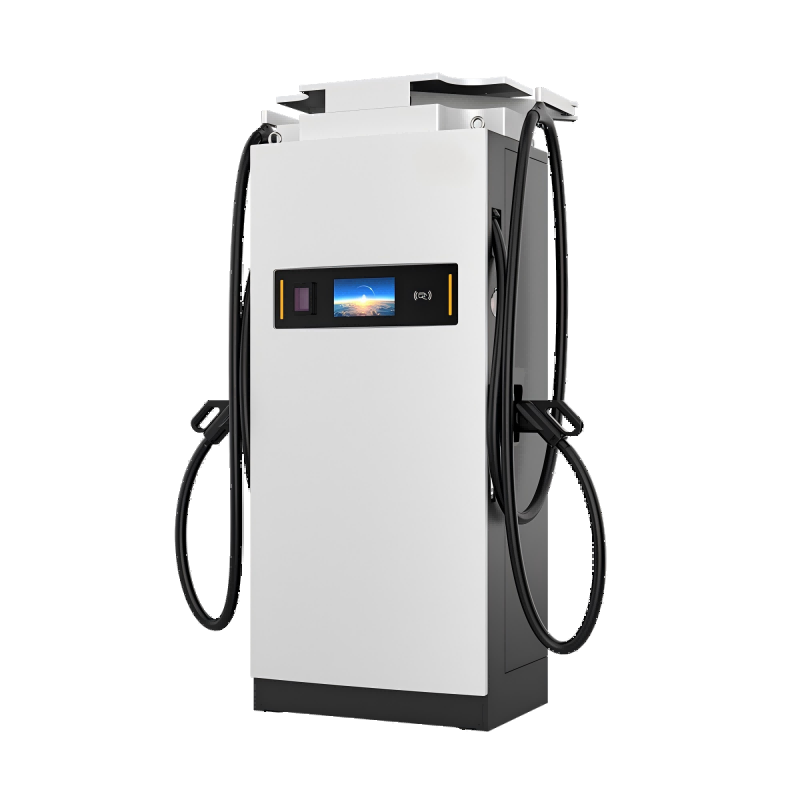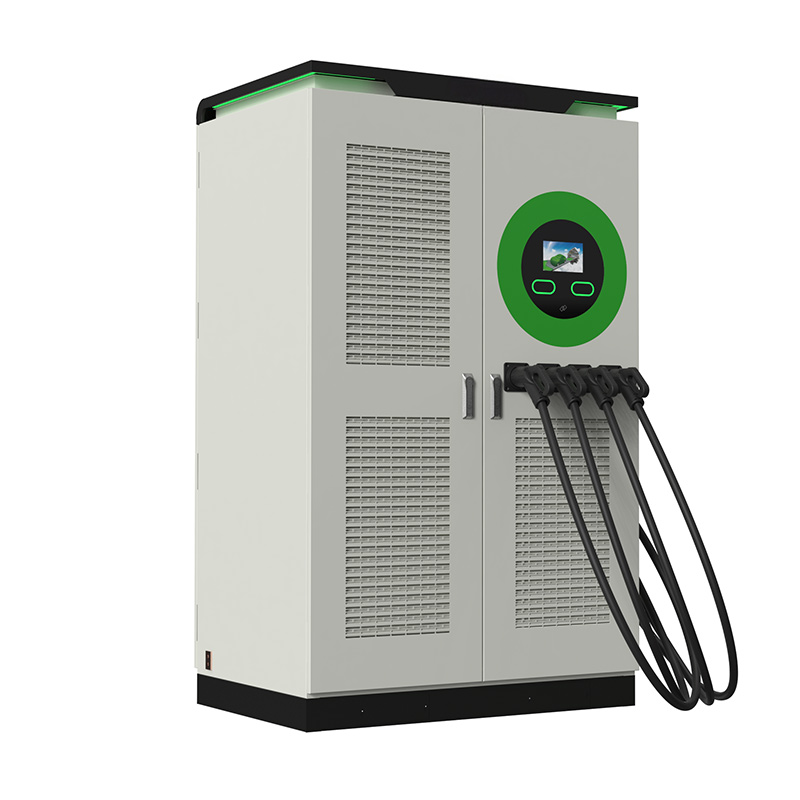

In partnership with Energy Bank and Volkswagen, 200 bidirectional EV chargers will be installed across central and southern Sweden to test how EVs can support flexibility in the power system.
Swedish state-owned power company Vattenfall has launched its bidirectional charging pilot scheme.
In partnership with Energy Bank and Volkswagen, 200 bidirectional EV chargers will be installed across central and southern Sweden to test how EVs can support flexibility in the power system.
Vattenfall first announced plans for the pilot in May last year. It builds on a vehicle-to-grid (V2G) project carried out by the operator over a 12-month period in what it called a validation phase.
Energy Bank’s software platform will optimise and aggregate EV charging, while Vattenfall will trade that aggregated flexibility to on energy and flexibility markets.
“If the battery can support the grid while also generating revenue, it could improve the economics and value of owning an electric car and contribute to continued electrification,” explained Magnus Berg, head of customer products and solutions at Vattenfall.
Related:Vehicle-to-Grid technology: How bidirectional charging transforms EVs into grid assets
The rollout will take place in Sweden’s electricity price areas SE3 and SE4, covering central and southern parts of the country.
The pilot is somewhat unique in that it will see participation from both domestic users and fleet operators. The chargers will be installed at private households and at Volkswagen electric car dealerships. For the last two years, all of Volkswagen’s ID. models with 77kWh or larger batteries can all support bidirectional charging.
Vattenfall will act as the balance responsible party (BRP) and balance service provider (BSP), trading energy not needed by households and aggregated by Energy Bank into Sweden’s Balancing Market, the Nordic electricity exchange Nord Pool or into local flexibility markets.
It will run until 2028 and Vattenfall said will generate insights into how bidirectional charging can be integrated into the energy system at scale.
V2G relies on efficient communication technology to understand load demands and facilitate the movement of energy at the right times. Energy management software and communication technology play a critical role, working in harmony to make sure that the grid has enough energy in high demand periods, but also ensuring that EV owners are not left with an uncharged vehicle.
It also requires a base level of engagement in order for it to be of value to the grid; if too few EVs were to be connected, the level of available energy would not be sufficient to ensure grid resilience during peak loads.
leave a message
Scan to wechat :

Scan to whatsapp :